Morning Adventure × Sumo Lunch: A One-Day Kyoto Golden Route Starting from Fushimi Inari
2026.06.02
🥘 Japanese Cultural Experience: What is Chanko Nabe? Origins, Ingredients, Eating Style, and Cultural Background Explained for International Visitors
When traveling in Japan, you may notice how seamlessly traditional culture and food are blended together.
Among these experiences, chanko nabe is one of the most iconic examples of a “culture × cuisine” experience that reflects Japan’s identity.
It is especially a must-try dish for anyone interested in sumo culture.
This article explains chanko nabe in a simple way for international travelers, including its origins, ingredients, eating style, and cultural background.
🐂 What is the origin of chanko nabe?
When people hear “chanko nabe,” they often think of the hot pot dish eaten in sumo stables by wrestlers.
In fact, the word “chanko” originally referred to all meals eaten by sumo wrestlers, not just hot pot dishes.
However, over time, it became commonly used to refer specifically to hot pot.
There are several theories about the origin of the word:
- One theory suggests it comes from “chan (father) + ko (child),” reflecting how coaches (stablemasters) and wrestlers often ate together, symbolizing a shared family-like meal.
- Another theory suggests it derives from the Chinese word “chankuo,” which referred to a type of hot pot during the Edo period.
All theories share one key point: it is deeply connected to the communal lifestyle of sumo wrestlers.
🍲 What ingredients are used in chanko nabe?
Chanko nabe uses a wide variety of nutritious, high-volume ingredients designed to support the physical training of sumo wrestlers.
Typical ingredients include:
🐔 Protein
- Chicken (the most commonly used meat)
- Tofu and fish
(In sumo culture, chicken is especially favored because birds stand on two legs, symbolizing victory and stability.)
🥬 Vegetables
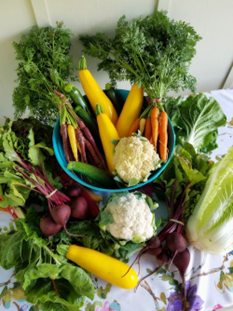
- Cabbage
- Daikon radish
- Carrots
- Green onions
- Shiitake mushrooms, etc.
🍜 Others
- Udon noodles or rice for the final course (〆 / “shime”)
- Broth made from chicken bones, kelp (kombu), and dried bonito (katsuobushi)
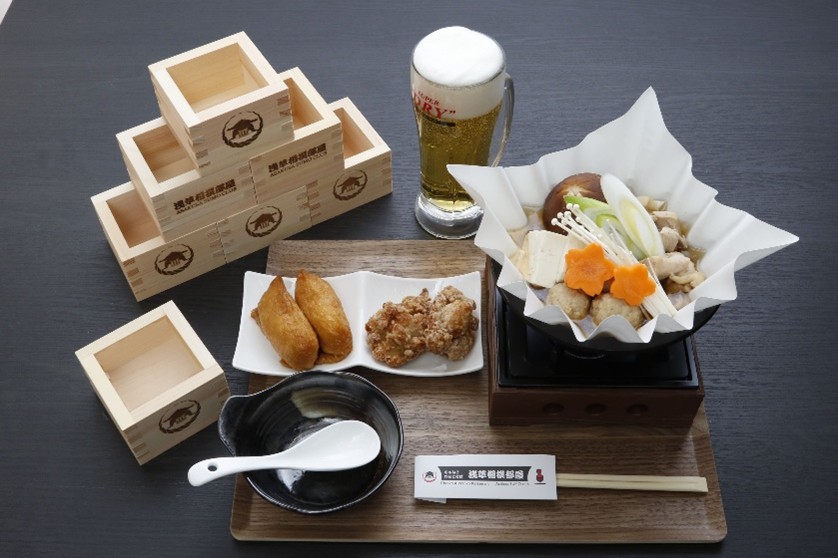
At Kyoto Sumo Club, the broth is typically a light salt-based soup made from chicken bones, kombu, and bonito, creating a clean yet deeply flavorful taste.
🍽 How do you eat chanko nabe?
Chanko nabe is not a meal eaten alone.
The basic style is to gather around a large shared pot, which is an important part of Japanese food culture.
Basic way to enjoy it:
- Sit around the pot together
→ Sharing conversation is part of the experience. - Add ingredients in stages
→ Meat first, then vegetables, and finally noodles or rice. - Use dipping sauces if desired
→ Ponzu (citrus soy sauce) and sesame sauce are popular. - Enjoy the final course (shime)
→ As the broth absorbs all the flavors, the final noodles or rice become especially delicious.
In this way, the entire process of cooking and eating becomes a shared social experience, not just a meal.
🎎 Chanko nabe and Japanese culture
Chanko nabe is more than food—it reflects core Japanese values such as:
👥 Sharing and unity
In sumo stables, wrestlers eat from the same pot to strengthen bonds and teamwork.
🥢 Respect for seasonality and ingredients
Ingredients often vary depending on the season, reflecting Japan’s appreciation for seasonal foods.
🍲 A dish now widely enjoyed
Today, restaurants run or supervised by former wrestlers allow visitors to experience sumo culture through chanko nabe.
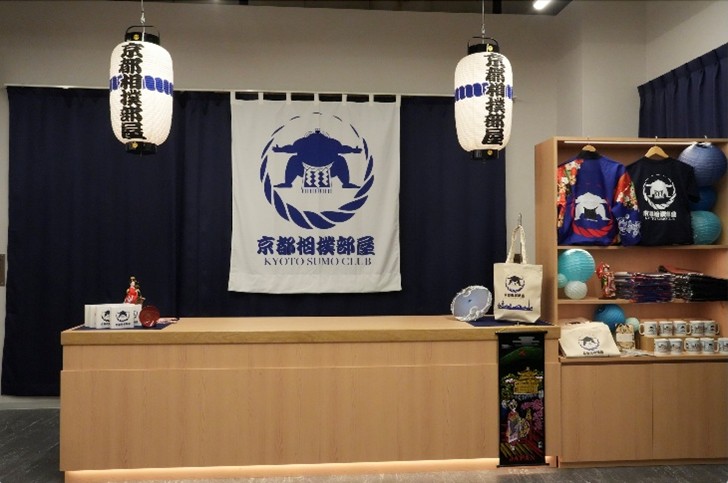
Experiences such as those at Kyoto Sumo Club offer a direct way to connect with Japan’s traditional culture and the spirit of sumo.
🍡 Travel tips for international visitors
✔ It is especially comforting in winter in Kyoto
✔ Try customizing flavors with ponzu or sesame sauce
✔ Sharing with others makes the experience more enjoyable
✔ It is nutritious and easy to eat, even for first-time visitors
🥢 Conclusion
Chanko nabe is a dish that symbolizes sumo culture.
By sharing a hot pot meal in Kyoto, you can experience the depth of Japanese food culture and tradition at the same time.
👇 Restaurant mentioned in this article
➡️ Kyoto Sumo Club – Official Website
Chanko nabe is more than just delicious food—it is a memorable cultural experience.
Be sure to try it at least once on your journey through Japan.
Our entire team looks forward to welcoming you to Kyoto and to Kyoto Sumo Club.
Kyoto Sumo Club
======================================================================================
日本を旅すると「伝統文化」と食が自然と融合していることに驚くはず。
その中でも、ちゃんこ鍋(ちゃんこなべ) は、日本らしさを感じられる代表的な「文化 × 食」の体験です。
特に相撲文化を楽しむなら、一度は味わってみたい料理です。
この記事では、ちゃんこ鍋の 由来、具材、食べ方、そして文化的背景 を外国人旅行者向けにやさしく紹介します。
🐂 ちゃんこ鍋の由来とは?
「ちゃんこ鍋」と聞いて多くの人が最初に思い浮かべるのは、相撲部屋で食べられる力士の鍋料理かもしれません。
実は「ちゃんこ」とはもともと 力士が日常的に食べる料理全般 を指す言葉で、鍋料理だけではないという説もあります。
しかし一般的には鍋料理を指す言葉として定着しました。
名前の由来にはいくつか説があり、有名なのは:
- 親方と弟子が一緒に食べることが多かったことから「ちゃん(父)+こ(子)」 → 一緒に食べる食事 という意味になった説
- 江戸時代に使われた中国語の鍋の呼び名「チャンクオ」が訛ったという説
どの説も、「力士たちの共同生活」と関係が深い ことが特徴です。
🍲 ちゃんこ鍋の具材は?
ちゃんこ鍋は、力士の体作りを支えるために 栄養バランスが良く、ボリュームのある具材 をたっぷり使います。
一般的な具材例は次の通り:
🐔 たんぱく質
- 鶏肉(最もよく使われる)
- 豆腐、魚
(相撲部屋では鶏が中心で、これは“立って勝つ”ことを願う文化的な意味もあると言われます)
🥬 野菜
- 白菜
- 大根
- にんじん
- 長ねぎ
- しいたけ など
🍜 その他
- うどん、雑炊用のご飯(最後の〆として)
- だし(鶏ガラ+昆布+かつおなど)
京都相撲部屋では、特に鶏ガラ、昆布、かつおを組み合わせた 塩ベースの出汁 を使い、あっさりしながらも深い味わいに仕上げています。
🍽 ちゃんこ鍋の食べ方
ちゃんこ鍋は、ひとりで食べる料理ではありません。
大きな鍋を みんなで囲むスタイル が基本です。日本ではこれを「鍋を囲む=良い時間を共有する文化」として親しまれています。
食べ方の基本
- 鍋を囲んで座る
→ 誰とでも会話を楽しむのも醍醐味です。 - 食材を順番に入れる
→ 肉 → 野菜 → 最後にうどんやご飯など。 - お好みでタレをつける
→ ポン酢やごまダレが人気。 - 〆まで楽しむ
→ スープに旨味が溶け込み、最後の雑炊や麺がまた格別です。
このように、鍋を囲む過程全体が コミュニケーションの一部 であり、味わい以上の体験になります。
🎎 ちゃんこ鍋と日本文化
ちゃんこ鍋は単なる食事ではなく、次のような日本の価値観を表しています:
👥 共有と団結
相撲部屋では、力士同士が同じ鍋をつつきながら食事をします。
これは “仲間との絆を深める” という意味があり、力士同士の生活の中心でした。
🥢 食材と季節を大切にする精神
使用する食材は季節や地域によって変わることがあり、
それは日本人が 旬の食材を楽しむ文化 を反映しています。
🍲 今では広く親しまれる鍋料理に
元力士が監修するレストランや専門店では、
ちゃんこ鍋を通じて 日本の伝統文化や相撲の精神 を体験できます。
ここ京都の「京都相撲部屋」での体験も、まさにそのひとつです。
🍡 旅のヒント(海外からのお客様へ)
✔ 冬の京都で体験すると、体の芯から温まります。
✔ ポン酢やごまダレなど、味のカスタムも楽しんで。
✔ みんなでシェアすると、より一層楽しい!
✔ ちゃんこ鍋は 栄養満点で、味も優しい ので、初めてでも食べやすい。
🥢 まとめ
ちゃんこ鍋は、相撲文化の象徴ともいえる料理。
京都の歴史を感じながら、みんなで鍋を囲んで、
日本の伝統 × 食文化の奥深さを味わってみてください。
👇 この記事で紹介したレストラン
➡️ 京都相撲部屋 – 公式サイト
旅の思い出に、ぜひ一度ちゃんこ鍋を。
美味しくて楽しくて、文化体験にもなる最高の一品です!
スタッフ一同あなたのご来京、ご来店を心よりお待ちしています。
京都相撲部屋
