🥢 Chanko Nabe and Sumo Culture
2026.07.09
Discover the Meaning Behind Every Dish at Kyoto Sum
o Club
A visit to Kyoto Sumo Club is about much more than enjoying a delicious meal.
Every dish—from the signature Chanko Nabe to the side dishes—reflects the traditions, values, and daily life of professional sumo wrestlers.
By understanding the meaning behind each ingredient, you’ll gain a deeper appreciation of Japan’s unique food culture and the spirit of sumo.
🍲 Chanko Nabe: A Symbol of Strength and Teamwork
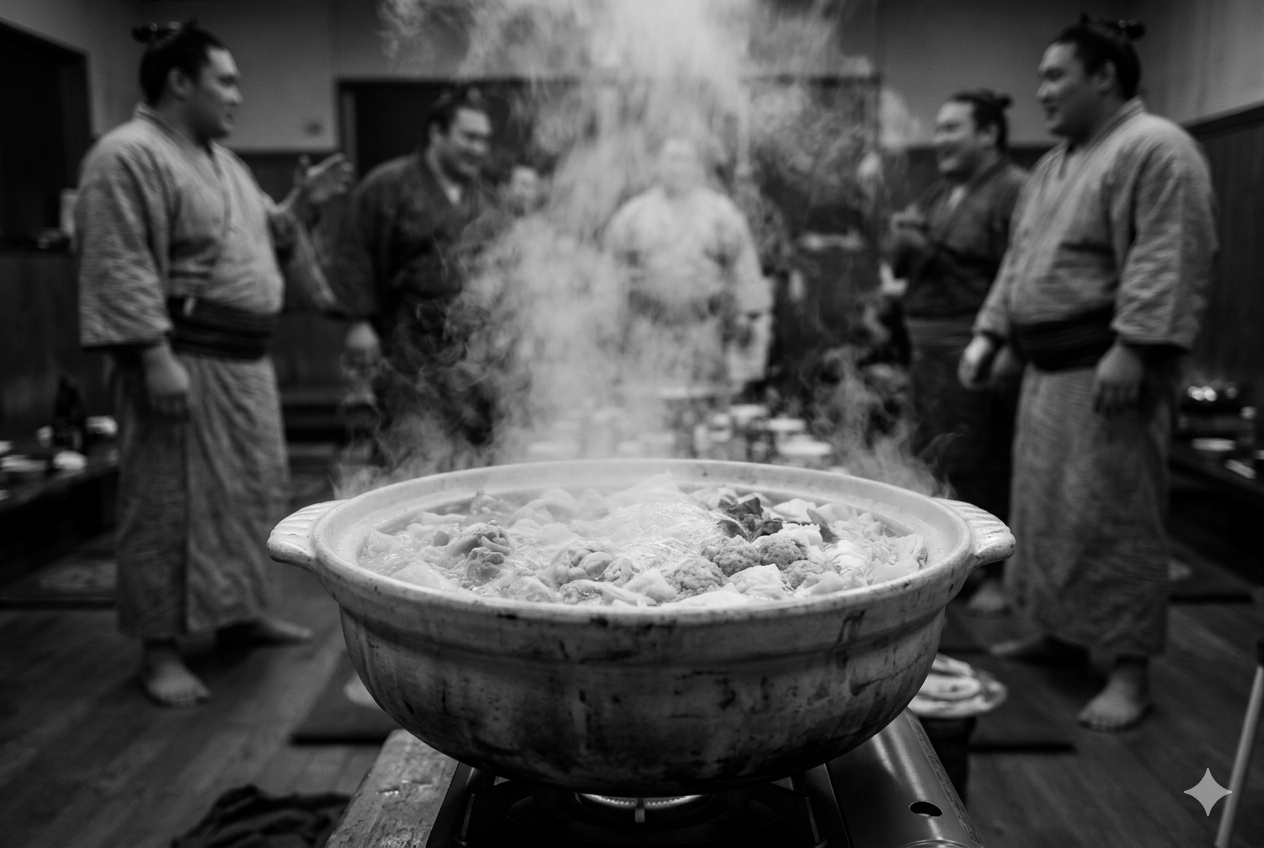
Chanko Nabe is the traditional hot pot eaten by sumo wrestlers to support their intense training and demanding lifestyle.
The Meaning Behind the Ingredients
🐔 Chicken
Chicken is an excellent source of protein that helps build strength and muscle, making it an essential ingredient for wrestlers.
🧈 Tofu
Nutritious and easy to digest, tofu provides balanced nourishment to support daily training and recovery.
🥬 Seasonal Vegetables
Ingredients such as Chinese cabbage, daikon radish, carrots, mushrooms, and leafy greens reflect the importance of seasonal eating and harmony with nature in Japanese cuisine.
🍜 Udon Noodles or Rice Porridge (Zosui)
The meal traditionally ends by cooking udon noodles or rice porridge in the rich remaining broth, ensuring that none of the delicious flavors go to waste.
Sharing the final course together symbolizes unity and appreciation for the meal.
🏠 More Than a Meal
At a traditional sumo stable, wrestlers gather around one large hot pot to eat together.
Sharing a single meal encourages:
- Teamwork
- Respect for others
- Cooperation
- Strong bonds between wrestlers
Even the process of adding ingredients to the pot reflects the discipline and order that are central to life in a sumo stable.
Chanko Nabe is not simply food—it’s an important part of sumo culture that helps build both body and character.
🍡 The Meaning Behind the Side Dishes
🥢 Inari Sushi
Sweet seasoned tofu pockets filled with vinegared rice are a classic Japanese favorite.
Their gentle flavor provides a pleasant contrast to the hot pot and represents balance within the meal.
Sharing these small dishes also reflects the communal spirit of dining together.
🍗 Karaage (Japanese Fried Chicken)
Crispy on the outside and juicy on the inside, Karaage adds a satisfying richness to the meal.
Its hearty flavor reflects the energy and strength associated with sumo wrestlers and has long been a popular source of nourishment after training.
🥦 Edamame & Seasonal Side Dishes
Small side dishes provide nutritional balance while refreshing the palate between bites.
Their variety of colors, textures, and flavors represents harmony—an important value in traditional Japanese dining.
🥢 The Traditional Way to Enjoy the Meal
The order of the meal also carries meaning:
- Taste the broth and appreciate its rich foundation.
- Enjoy the meat and vegetables that nourish the body.
- Savor the side dishes that add variety and balance.
- Finish with udon noodles or rice porridge, sharing the final flavors together.
This progression reflects the discipline, teamwork, and appreciation that are central to the spirit of sumo.
🎎 A Cultural Experience Unique to Kyoto Sumo Club
At Kyoto Sumo Club, former professional sumo wrestlers introduce guests to the traditions behind the meal.
You’ll learn:
- How Chanko Nabe is prepared
- The proper way to enjoy the meal
- Stories about daily life in a sumo stable
- The customs and values that have shaped Japan’s national sport
Rather than simply dining, you’ll experience a unique combination of food, culture, history, and tradition.
🌏 Tips for International Visitors
- Learn the story behind each dish to make your meal even more meaningful.
- Take photos of the food, but don’t forget to capture the shared dining experience as well.
- Be sure to try the final serving of udon noodles or rice porridge—it’s an essential part of the tradition.
📝 Final Thoughts
At Kyoto Sumo Club, every dish tells a story.
- Chanko Nabe represents strength, nourishment, and teamwork.
- Side dishes add balance, energy, and harmony to the meal.
- Sharing the meal reflects the discipline and community that define life in a sumo stable.
By understanding the traditions behind the food, you’ll discover that this is far more than a meal—it’s an unforgettable cultural experience that offers a deeper connection to Japan.
We sincerely look forward to welcoming you to Kyoto and to Kyoto Sumo Club.
Kyoto Sumo Club
======================================================================================
🥢 ちゃんこ鍋と相撲文化:料理に込められた意味を味わう
京都観光の中で、京都相撲部屋のちゃんこ鍋体験はただの食事ではありません。
一つひとつの料理には、力士の体作りや精神、相撲の伝統が反映されています。
ここでは、メインのちゃんこ鍋からサイドメニューまで、料理と相撲文化のつながりを詳しく解説します。
🍲 ちゃんこ鍋:力士の栄養と団結の象徴
食材と意味
- 鶏肉:筋肉や体力を支えるたんぱく質の象徴
- 豆腐:消化に優しく、日々の稽古を支える優しさ
- 野菜(白菜、大根、人参など):季節の力を取り入れる、自然との調和
- うどんや雑炊:最後まで鍋を楽しむ〆の意味、仲間との団結の象徴
文化的背景
- 大きな鍋をみんなで囲むスタイルは、相撲部屋の団結と協力を象徴
- 具材を順番に入れる作法は、力士としての規律や順序を学ぶ教育の一環
ちゃんこ鍋は「ただ食べるもの」ではなく、力士の体と心を育てる文化の象徴です。
🍡 サイドメニュー:小さな一品に込められた意味
🥢 いなり寿司
- 甘辛い油揚げで酢飯を包む日本の伝統食
- 「油揚げが力士のエネルギー補給、酢飯が身体を整える」と言われる
- 部屋の仲間とシェアすることで、食事を通じた協調の精神を体験
🍗 唐揚げ
- 外はカリッ、中はジューシー
- 「強さと豪快さ」を象徴し、力士の気持ちを盛り上げる役割
- 食べるタイミングで元気を補充する、稽古後の活力源
🥦 枝豆・小鉢
- 栄養補助と箸休めの役割
- 味や食感のバランスを整えることで、集中力や心の調和を象徴
🥢 食べる順番にも意味がある
- スープを味わう → 鍋の「土台」を理解する心構え
- 肉や野菜 → 力士としての体作りとバランス
- サイドメニュー → 気持ちやチームワークを補う補助
- 〆のうどん・雑炊 → 最後まで仲間と楽しむ協調性
食べ方自体が、相撲の精神や規律を体験するプロセスとなっています。
🎎 京都相撲部屋ならではの文化体験
- 元力士が鍋の作り方や食べ方を教えてくれる
- 食事を通して、相撲文化や力士の生活に触れることができる
- 単なる観光グルメではなく、伝統・体験・学びがセットになった食文化体験
🌏 海外旅行者へのおすすめポイント
- 一皿ずつ「意味」を意識して食べると、より深い体験に
- 写真撮影だけでなく、文化背景を説明しながら食べるとSNS映えと知識を両立
- サイドメニューや〆の雑炊も、力士の生活の知恵として楽しめる
📝 まとめ
京都相撲部屋のちゃんこ鍋とサイドメニューは、味・栄養・文化の三位一体。
- ちゃんこ鍋=体と心を育てる象徴
- サイドメニュー=協調・活力・精神を補う
- 食べ方=相撲の精神と規律を体験する手段
ただ食べるだけではなく、一品ごとに込められた意味を味わうことが、京都旅行の新しい楽しみ方です。
スタッフ一同あなたのご来京、ご来店を心よりお待ちしています。
京都相撲部屋
