
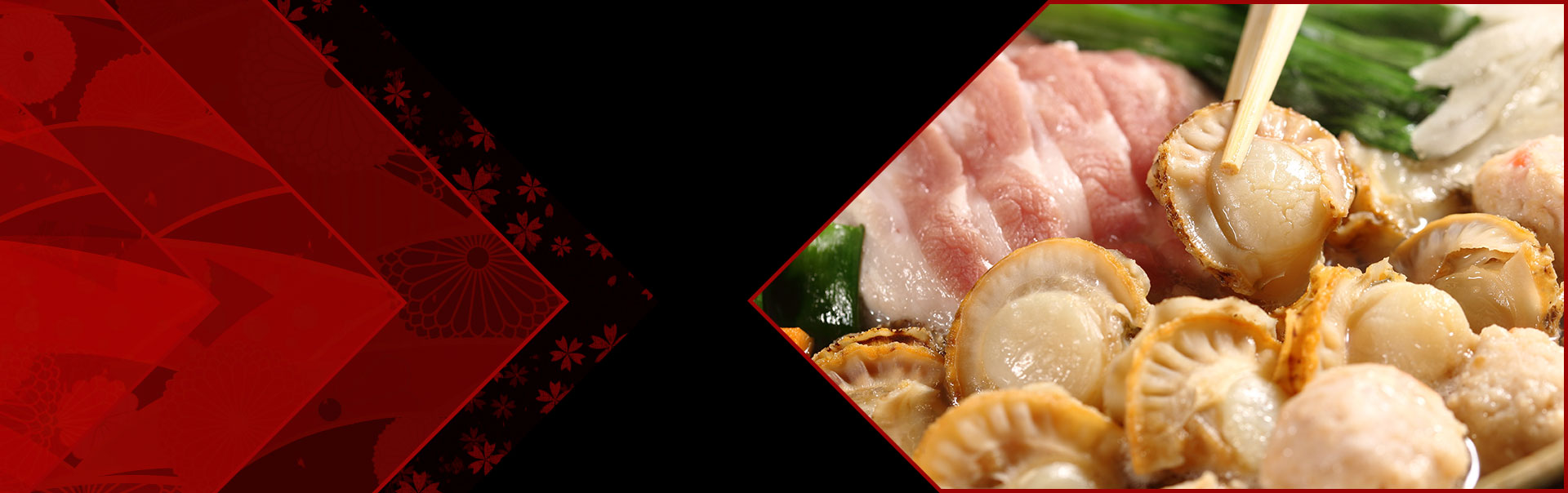
🥢 Kyoto Sumo Club Chanko Nabe FAQ
2026.07.09
Everything You Need to Know About Chanko Nabe: How to Eat It, Flavor, Spice Level & Vegetarian Options
One of the highlights of visiting Kyoto is enjoying an authentic Chanko Nabe experience.
If it’s your first time trying this traditional sumo wrestler’s hot pot, you may have a few questions. In this FAQ, we’ll explain everything you need to know—from how to eat it and what it tastes like to vegetarian options and allergy accommodations.
❓Q1. How do you eat Chanko Nabe?
A:
A traditional Chanko Nabe meal is enjoyed in the following order:
- Start by tasting the flavorful broth.
- Use your chopsticks to serve yourself meat, vegetables, tofu, and other ingredients.
- Enjoy side dishes such as Inari Sushi and Japanese Fried Chicken (Karaage) between bites.
- Finish the meal with udon noodles or rice porridge (zosui) cooked in the remaining broth.
Tip: Chanko Nabe is traditionally shared around the table. At Kyoto Sumo Club, you may even have the opportunity to add ingredients to the hot pot yourself, making the experience even more interactive.
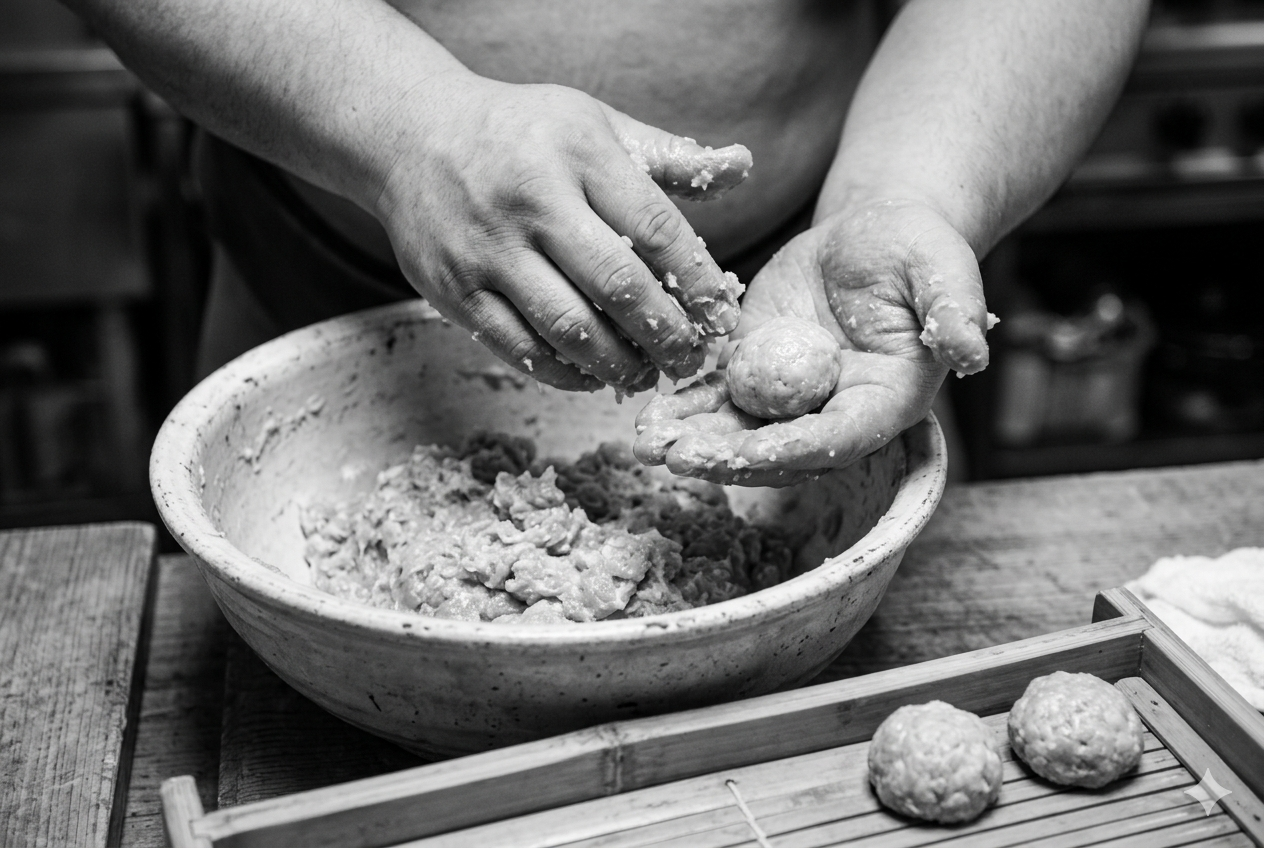
❓Q2. What does Chanko Nabe taste like?
A:
Our Chanko Nabe features a light, salt-based broth with rich umami flavor.
The soup is made from a carefully balanced combination of:
- Chicken stock
- Kombu (kelp)
- Bonito flakes
As the ingredients cook, they release their natural flavors into the broth, creating a delicious and comforting meal.
Many guests tell us:
“The flavor is light but full of umami, and it’s incredibly comforting.”
❓Q3. Is it spicy?
A:
No. Traditional Chanko Nabe is not spicy.
If you’d like a little heat, you can add:
- Shichimi Togarashi (Japanese seven-spice seasoning)
- Chili oil
This makes it suitable for children and guests who prefer mild flavors.
❓Q4. Is a vegetarian option available?
A:
Yes.
With advance reservation, Kyoto Sumo Club can prepare a vegetarian version of Chanko Nabe.
The vegetarian menu includes:
- Seasonal vegetables
- Tofu
- Mushrooms
- A carefully prepared vegetarian broth
Side dishes may also be adjusted upon request.
When booking in English, simply mention “Vegetarian Chanko.”
❓Q5. Can food allergies be accommodated?
A:
Yes.
If you have food allergies, please let us know when making your reservation.
Depending on your needs, we may be able to:
- Omit udon noodles for guests with wheat allergies
- Substitute certain ingredients
- Adjust side dishes where possible
English-language QR menus are also available, making it easy to check ingredient information.
❓Q6. Can I enjoy Chanko Nabe if I’m traveling alone?
A:
Absolutely.
Although Chanko Nabe is traditionally shared among a group, solo travelers are also welcome.
Depending on availability, smaller hot pots or individual meal sets may be offered. Please ask our staff when making your reservation.
❓Q7. What’s the best way to enjoy the meal?
A:
For the best experience, we recommend this order:
Broth → Meat → Vegetables → Side Dishes → Udon or Rice Porridge
To enjoy the best texture, avoid overcooking the vegetables.
Alternating between the hot pot and side dishes keeps every bite fresh and satisfying.
❓Q8. Is Chanko Nabe suitable for children?
A:
Yes.
The mild broth is perfect for children, and family-friendly favorites such as:
- Karaage (Japanese Fried Chicken)
- Inari Sushi
make it an enjoyable meal for guests of all ages.
❓Q9. How can I make the most of the experience?
A:
After enjoying the hot pot, don’t miss the chance to:
- Finish with delicious udon noodles or rice porridge made from the flavorful broth
- Relax with a dessert or soft drink
- Take commemorative photos with former professional sumo wrestlers
- Participate in the interactive sumo experience for an unforgettable cultural memory
📝 Summary
Kyoto Sumo Club’s Chanko Nabe offers:
✅ A light, salt-based broth rich in umami
✅ Mild flavors that everyone can enjoy
✅ Vegetarian and allergy-friendly options with advance notice
✅ A traditional shared dining experience that brings people together
Following the traditional way of enjoying Chanko Nabe—from the first sip of broth to the final bowl of noodles or rice porridge—will help you experience one of Japan’s most beloved culinary traditions.
We sincerely look forward to welcoming you to Kyoto and to Kyoto Sumo Club.
Kyoto Sumo Club
======================================================================================
🥢 京都相撲部屋のちゃんこ鍋 FAQ:食べ方・味・辛さ・ベジ対応まとめ
京都旅行で注目の ちゃんこ鍋体験。
初めての方や海外旅行者からは、よくこんな質問が寄せられます。ここでは、食べ方・味・辛さ・ベジタリアン対応などを FAQ 形式でわかりやすく解説します。
Q1. ちゃんこ鍋はどうやって食べるの?
A1:
- 鍋のスープをまず味わう
- 肉や野菜を箸で取り分けて食べる
- サイドメニュー(いなり寿司・唐揚げなど)を間に楽しむ
- 最後にうどんや雑炊で〆る
ポイント:みんなで鍋を囲むスタイルが伝統。自分で具材を鍋に入れる体験もできます。
Q2. 味の特徴は?
A2:
- 基本は 塩ベースのあっさり味
- 出汁は鶏ガラ・昆布・かつおの三種類
- 具材の旨味が溶け込むので、深い味わい
- サイドメニューと合わせると味のコントラストも楽しめる
旅行者の声:「薄味だけどしっかり旨味があって、体が温まる!」
Q3. 辛さはあるの?
A3:
- 基本的に 辛さはほとんどなし
- 希望があれば、テーブルに置かれた 七味唐辛子やラー油 で調整可能
子どもや辛いものが苦手な方でも安心して楽しめます。
Q4. ベジタリアン(野菜のみ)対応はできる?
A4:
- 京都相撲部屋では、ベジタリアン向けのちゃんこ鍋を事前予約で対応可能
- 鶏肉や魚を使わず、野菜・豆腐・きのこ中心の出汁で調理
- サイドメニューも相談に応じてアレンジ可能
英語で予約時に「Vegetarian Chanko」と伝えるとスムーズです。
Q5. アレルギー対応は可能?
A5:
- 食材アレルギーがある場合は、事前予約時に伝えると対応可能
- 例:小麦アレルギーならうどんを抜く、豆腐を変更するなど
QRメニューで英語説明も確認できるので安心です。
Q6. 一人でも楽しめる?
A6:
- 基本は 複数人でシェアする鍋 形式
- ただし、少人数向けの小鍋やセットプランもあり
- 一人旅の場合はスタッフに相談すると、一人用鍋体験も可能
Q7. 食べ方のコツは?
A7:
- スープ → 肉 → 野菜 → サイドメニュー → 〆(うどん・雑炊)の順が基本
- 野菜は煮すぎず、シャキシャキ感を残すと食感が楽しい
- サイドメニューや唐揚げを箸休めとして挟むと、最後まで飽きずに楽しめます
Q8. 子どもでも楽しめる?
A8:
- 辛さ控えめで出汁も優しいので子ども向け
- 唐揚げやいなり寿司など、子どもが好きなメニューもセットで安心
Q9. 食後の楽しみ方は?
A9:
- 〆のうどんや雑炊でスープの旨味を最後まで味わう
- デザートやソフトドリンクでほっと一息
- 元力士との記念撮影や相撲体験と組み合わせると文化体験も完璧
📝 まとめ
京都相撲部屋のちゃんこ鍋は:
- あっさり塩ベースで深い旨味
- 辛さ控えめで誰でも安心
- ベジ・アレルギー対応可能
- みんなでシェアして楽しむのが伝統スタイル
食べ方の順番やサイドメニューを意識すると、初めてでも楽しく・美味しく・文化体験として楽しめます。
スタッフ一同あなたのご来京、ご来店を心よりお待ちしています。
京都相撲部屋
